Obsessed Lucy Characters Hub
Meet Lucy, understand the roommate lens, and see who actually appears on screen.
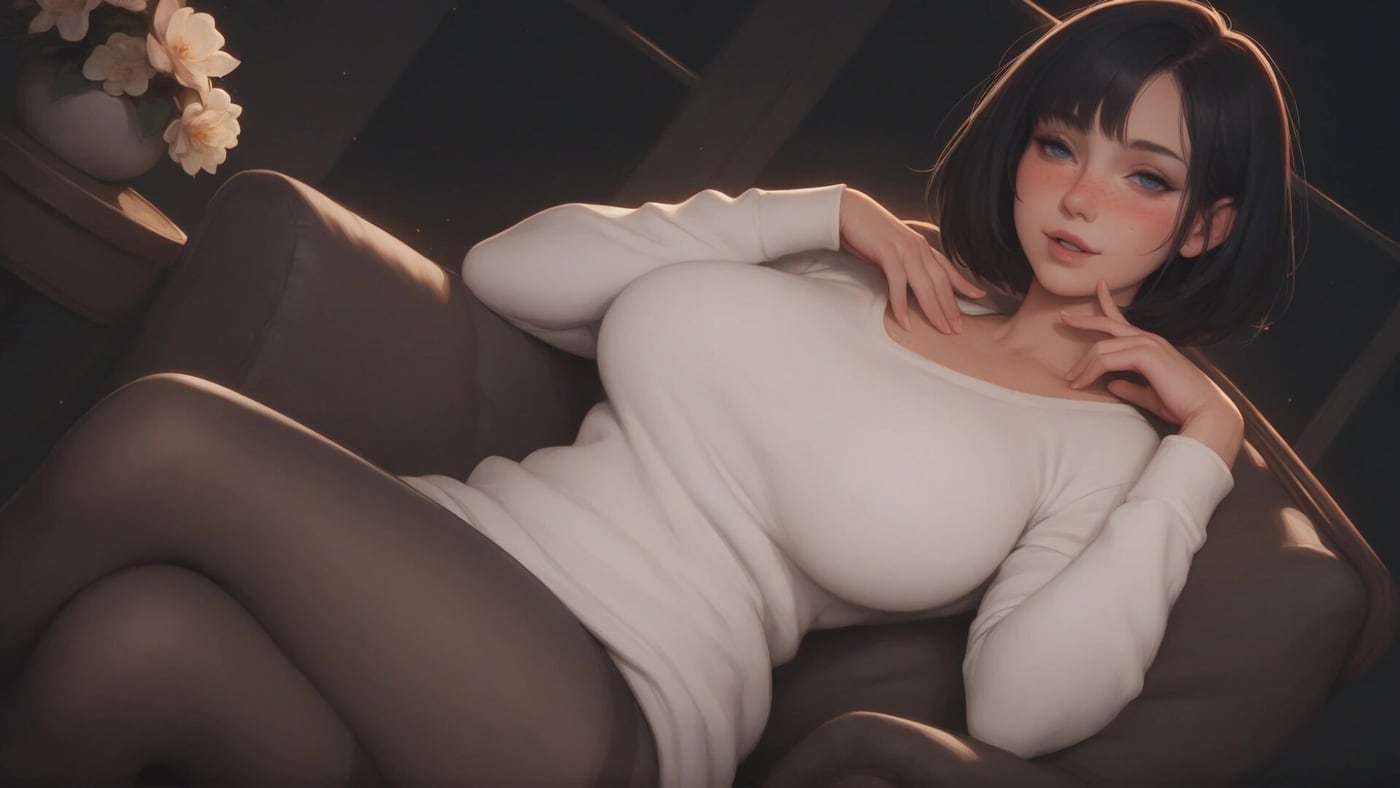
Obsessed Lucy is an 18+ adult visual novel from VNGTrash on Steam (app 3995190, released 6 August 2026). The cast is small by design: you live with Lucy, a roommate whose affection slides into fixation, while most other figures stay blurred, off-screen, or implied. Player discussions often mention landlady and tenant vibes even when the script keeps everyone on equal lease paperwork—useful shorthand for power, rent stress, and who controls the keys.
This Characters Hub explains who matters for story, endings, and replay without inventing lore the game never shows. Pair these pages with the Walkthrough Hub, Guides Hub, and Endings Hub when choices hinge on how you read Lucy’s mood.
Featured character pages
Lucy — The face of the marketing, the clearest portrait on Steam, and the emotional engine of obsession. We cover how her presence is framed, what players mean by “yandere-adjacent” roommate tension, and how her beats connect to endings.
Protagonist — You are the other roommate: limited self-description, reactive dialogue, and decision points that flavor intimacy or distance. This page clarifies what “mostly linear” store copy implies for your agency.
Cast Overview — A spoiler-light roll call of who gets a recognizable sprite, who stays silhouette, and why the art direction keeps Lucy visually dominant. Includes notes on AI-assisted art disclosure on Steam and how that affects expectations.
Susan — Supporting cast member tied to the Susan Steam achievement; spoiler-aware framing for trophy hunters without inventing off-screen lore.
Why character context matters here
Unlike encyclopedic romance VNs, Obsessed Lucy does not ship a dozen route heroines. Completion instead means catching optional jealousy beats, the friend-leaning path players debate in reviews, and the handful of endings tied to how you respond when Lucy tightens her orbit. Character write-ups therefore focus on relationship posture—warmth, compliance, pushback, avoidance—rather than stat grids.
If you are deciding whether the tone fits you, skim Worth Buying? and the Review Hub after the non-spoiler Wiki overview. Mature-content framing lives on Mature Content if you need a content warning before reading Lucy’s page.
Suggested reading order
| Goal | Start here |
|---|---|
| Blind first run | How to Play → Full story walkthrough |
| Understand Lucy before replays | Lucy |
| Map “who is who” visually | Cast Overview |
| Hunt endings | Ending conditions + Ending checklist |
| Track Steam trophies | Achievements guide + Achievement tracker |
Spoilers and community labels
Steam reviews and social posts reuse anime tropes—landlady, tenant, obsession, friend route—that may not match in-game job titles. We translate those labels into observable behavior (control of space, jealousy dialogue, optional scenes) and link to Routes overview for structure. Heavy twist discussion stays on the Friend route guide with explicit warnings.
Character articles update when VNGTrash patches after 1.0 add scenes; see Updates for version notes rather than duplicating patch logs here.
Frequently Asked Questions
Quick answers about Obsessed Lucy.
Is Lucy the only character with a clear face?
Marketing and in-game CGs emphasize Lucy’s portrait. The [Cast Overview](/characters/cast/) explains which other figures appear sharply versus as silhouettes or implied voices.
Do I need character pages before my first playthrough?
No. Finish a blind run with [How to Play](/guides/how-to-play/) if you want setup tips. Return here when replays focus on endings or the friend path.
Where are landlady and tenant tropes explained?
Players use those terms for power dynamics even when everyone is a roommate on paper. [Lucy](/characters/lucy/) and [Cast Overview](/characters/cast/) map tropes to on-screen behavior without claiming official job titles.
Does the wiki discuss AI art on characters?
Yes. Steam lists AI disclosure; [Cast Overview](/characters/cast/) and [Worth Buying?](/review/worth-buying/) note what that means for portraits and consistency expectations.